
Autism and mental health awareness
Autism and mental health awareness
With a complete picture of autism and its possible co-occurring mental health issues, you can gain understanding and an ability to support individuals on the spectrum.
by Kim P. Champion, PhD
Autism is not just a list of impairments and delays, and it’s not just a list of strengths. It’s a different way of experiencing and engaging with the world—one that can come with real pain and real beauty. Autism does involve actual differences and challenges, but it also comes with perspectives and ways of being as well as distinctive strengths, and all enrich families, communities, and workplaces. When we acknowledge the challenges, support mental health, provide accommodations, and genuinely value autistic perspectives, we help create a world where people on the spectrum don’t just survive but truly belong and thrive.
Autism’s differences and impairments: Real but not defining
People on the spectrum do experience impairments, and it’s important not to minimize this reality. For example, daily living and self-care tasks can be challenging. These challenges include household tasks, organizing, planning, managing routines, healthcare, and personal safety.
Also, people on the spectrum often show differences in social interaction, processing, and behavior. So, reading social cues, understanding unspoken rules, managing stressful situations, or knowing how to respond in the moment can be confusing and exhausting tasks.
Furthermore, sensory differences may lead to behaviors that may seem odd, such as stimming, vocalizing, shutting down, and avoiding certain situations or stimuli that may feel overwhelming.
As a result, the areas often affected include social relationships, school or job functioning, independent living, and mental health functioning.
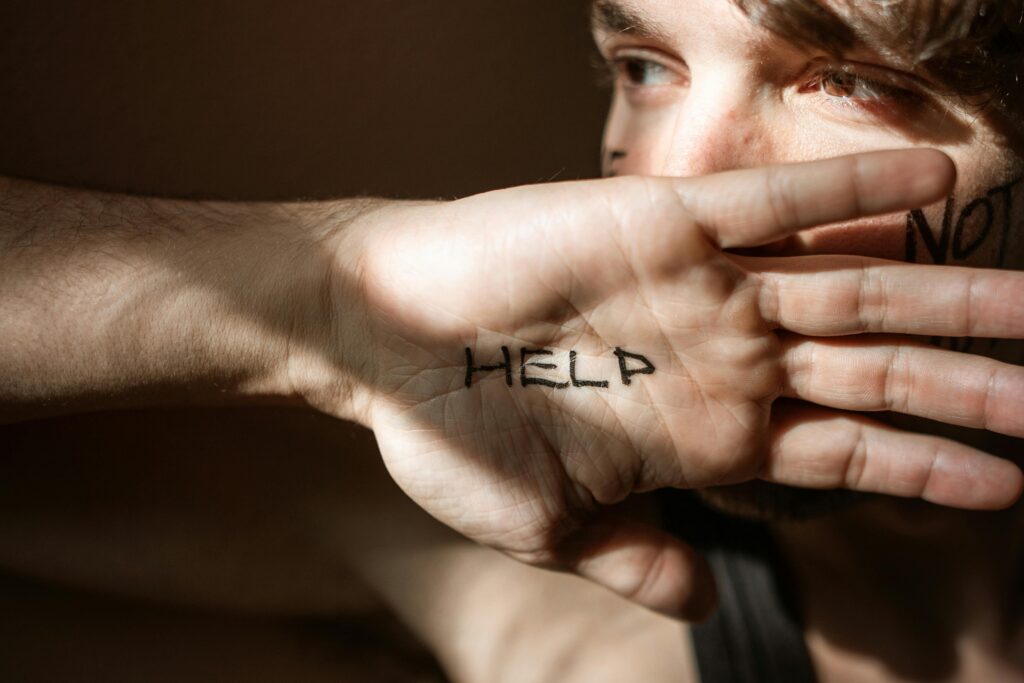
Photo courtesy of RDNE Stock Project
Mental health functioning—Two common co-occurring diagnoses for autism are depression and anxiety. They can develop with a depletion of resources, feeling misunderstood or lonely, fearing unknown situations, and experiencing processing differences.
Having a thorough assessment to diagnose autism and any co-occurring mental health concerns is deeply important for proper treatment, early intervention (for children from birth to age 3), and for people on the spectrum to be armed with information to better understand themselves and their options for support. For a list of locations that offer assessments, click here.
Differences and impairments coexist with an individual’s strengths, and they can be challenging but they are not always prohibitive. The meeting point of differences, impairments, and strengths is often the very source of an individual’s gifts, powerful assets, and personality—whether the individual is neurodivergent or not!
Here are some specific, valuable gifts I have observed in many autistic people:
• unique problem-solving approaches that others might never consider
• a distinct sense of humor that can be clever, unexpected, and delightful
• a personality that may be hidden until we actually pay attention
• insightful observations that cut through social noise and get to the heart of the matter
• honesty and directness that can be refreshing and grounding
• deep focus and expertise in areas of interest
• a strong sense of fairness and justice that can help others see more clearly
• creative, unconventional thinking that leads to new ideas and solutions
• loyalty and reliability in relationships that feel safe and genuine
Through my psychology practice, I have learned a great deal about autism’s distinctions as well as the autistic individual’s nuanced expressions and feelings. My respect and admiration have grown for all people with different struggles, challenges, and strengths—and who often need to work harder than the neurotypical person when managing life and growing as people. And in my years of working as a psychologist, I have witnessed the extra challenges faced by people on the spectrum as they navigate their way through mental health issues on top of daily challenges.
Defining the mental health issues: depression and anxiety
Many people on the spectrum experience depression, anxiety, or both. These mental health challenges may be evident from early childhood due to heredity or predisposing factors, or they may develop secondary to the challenges of living on the spectrum.
Depression’s signs, symptoms, contributing factors—Depression may show up in a person as sadness, loss of interest or enjoyment, withdrawal, anger, mistrust, self-injurious behavior, or other changes in mood and behavior. The following factors often contribute to the development of depressive symptoms:
• peer rejection when being left out, teased, or bullied
• feeling that life is harder and needs more effort than for others who seem to find life easy
• feeling different and noticing they don’t quite fit into the social scene
• self-worth struggles and internalizing criticism or feeling “less than”
• loneliness and wanting connection but not knowing how to connect
• spending more time alone, sometimes by choice, sometimes by being excluded
• lack of meaningful interaction, especially involving special interests, which may be central to their joy and identity

Photo courtesy of Pixabay
Helpful approaches to treatment for depression—There are several excellent therapies for treating the symptoms of depression. For example, cognitive behavioral therapy (CBT) and emotion-focused therapy (EFT) are often adapted for the autistic person’s communication and processing styles. Plus, they offer strategies for coping, shifting unhealthy thought patterns, and understanding one’s own emotions.
Other treatment options for consideration:
• exploring and healing the trauma caused by bullying, family conflict, or other painful experiences
• getting validation and perspective that can help people see their value and strengths
• receiving genuine appreciation for who they are: Do not try to “fix” a neurodivergent person.
• helping to put words to what they feel so they can express their emotions and needs
• medicating, when appropriate, as part of a broader plan
• psychoeducation as a means to understanding what depression is and how it works in the body and mind
• creating self-acceptance and self-advocacy by helping autistic people to understand their needs and how to speak up to get their needs met
Anxiety’s signs, symptoms, and contributing factors—Anxiety can look like excessive worry, fear, a phobia, avoidance, meltdowns or tantrums, slower decision-making in the moment, poor judgment under stress, anger, or defensiveness. And anxiety can result from the following:
• bullying and social anxiety as the result of being judged, mocked, or rejected
• constantly “translating” situations and decoding social cues and expectations
• feeling unsure how to handle situations without a clear internal script for what to do
• slower processing and needing more time to think while the world keeps moving
• shaming as the result of being told they’re “weird,” “too much,” “too sensitive,” or “unintelligent.”
Treatment options for anxiety—Similar to the treatment approaches for depression, a co-occurring anxiety can be approached through CBT and EFT as well as other therapy modalities. For example, guided exposure therapy will gently and safely help the neurodivergent individual face feared situations with support and anxiety management strategies.
Other options for consideration:
• helping people put words to what they feel so they can verbally express their own emotions and needs
• medicating, when appropriate, as part of a broader plan
• turning to psychoeducation as a means of understanding what anxiety is and how it works in the body and mind
NOTE: Depression and anxiety can be reduced, managed, and sometimes significantly healed, allowing for more freedom, confidence, and quality of life. If you or someone you know is experiencing any of the above symptoms, it would be wise to seek professional evaluation and support in order to properly diagnose and treat symptoms. For resources, see the list at the end of this article.
Photo courtesy of MART Production
How family, friends, and community can help
Supporting people on the spectrum is not about “fixing” them—It’s about respecting, understanding, and partnering with them. These five means of support may help family, friends, and the community achieve this end:
Respect differences.
• Different doesn’t mean bad. It may feel unfamiliar or uncomfortable, but that’s not the same as being wrong.
• Look for ways to embrace differences, such as by appreciating a unique interest, communication style, or perspective.
• Minimize differences in appropriate areas, such as for safety, increased access, or mutual boundaries. Do not diminish who a person is.
• Remember that someone’s behavior is not a reflection on you. You don’t need to feel embarrassed or rush to normalize people.
• When people are unkind or dismissive, look for kind ways to educate and redirect. And expect them to rise to the occasion.
Look for ways to support someone on the spectrum.
• Be available. Sometimes just being present and consistent matters a lot.
• Offer practical help, like driving people places or helping them to navigate new environments.
• Give extra time for responses, transitions, and decisions.
• Share your feelings gently if you’re hurt or confused. Communicate in healthy, mutually respectful ways.
• Facilitate positive interactions and help create spaces where autistic people can connect with others safely and meaningfully.
Look for ways to advocate on an autistic person’s behalf.
• Offer to write letters in support of services, accommodations, or programs.
• Speak highly of the autistic person’s strengths to teachers, employers, and peers.
• Name unkind behavior towards people on the spectrum when you see it, and do it calmly and clearly so others know it’s not acceptable.
Be patient.
• Accept people as they are, not as a project but as a whole person.
• Give someone on the spectrum the time to respond in conversation. Silence doesn’t mean disinterest.
• Show genuine interest in special topics. This area is often where an autistic person’s joy and connection will appear.
• Gently steer conversation to another topic when needed, and be patient if it doesn’t shift easily.
• Take space when you need to. It’s okay to care and still set boundaries.

Photo courtesy of Muhammad Shamaoon Malik
Be kind.
• Encourage and validate by noticing an individual’s effort, growth, and strengths.
• Offer support without making anyone feel broken or burdensome.
• Engage even when it’s hard. Sometimes, the people who seem hardest to reach need connection the most. And accept when someone says “No, thank you.”
• Say kind things out loud. Don’t assume people know you appreciate them.
• Consider an idea even if it seems odd. It may contain real wisdom or creativity.
The more we all understand autism and mental health disorders (in ourselves and others), the more we can treat each other with respect, support, and collaboration.
Recommended resources
Autism Society of America—information on local support services and referrals. National Helpline: (800) 328-8476
Autism Speaks—advocacy and information
National Autism Association—general information, anti-bullying resources, toolkits
Autism Delaware Resource Directory
Delaware Department of Education Autism Resources
Wellspring Services—autism diagnostic and adaptive functioning evaluation for adults; also for the Department of Labor’s Disability Determination Services.
National Alliance on Mental Illness (NAMI) fact sheets; NAMI helpline, M–F 10AM–10PM; 988 Suicide & Crisis Lifeline
Delaware Network for Excellence in Autism’s Mental Health Crisis Resources
About the author
Kim P. Champion, PhD, is a licensed psychologist who specializes in treating trauma disorders and neurodivergence. She loves learning people’s stories and feels honored to travel with them through their healing journeys. Since earning her doctorate in clinical psychology from the University of Delaware, she has resided in The First State.
Dr. Champion’s interest in trauma and neurodivergence comes from years of working with people from a variety of backgrounds as well as from personal experience, having grown up with a sister on the spectrum. As a married parent of two grown children, she admits to having her own issues to deal with, including anxiety and attention-deficit/hyperactivity disorder (ADHD): “So, I am passionate about this work both personally and professionally,”
Dr. Champion’s practice is called Wellspring Services. For more information or to contact her through her Wilmington practice, click here.
Reference list
Baron-Cohen, S, et al. 2009. Talent in autism: Hyper-systemizing, hyper-attention to detail, and sensory hypersensitivity. Philosophical Transactions of the Royal Society B: Biological Sciences, 364(1522): 1377–1383.
Cherewick, M., & Matergia, M. 2024. Neurodiversity in Practice: a Conceptual Model of Autistic Strengths and Potential Mechanisms of Change to Support Positive Mental Health and Wellbeing in Autistic Children and Adolescents. Advances in Neurodevelopmental Disorders 8: 408–422. https://doi.org/10.1007/s41252-023-00348-z.
Happé, F., & Frith, U. 2006. The weak coherence account: Detail-focused cognitive style in autism spectrum disorders. Journal of Autism and Developmental Disorders, 36(1): 5–25. (doi.org in Bing)
Howe, Y.J., et al. 2015. Adaptive functioning in autism spectrum disorder: The role of cognitive ability and autism symptom severity. Journal of Autism and Developmental Disorders, 45(5): 1469–1477. (doi.org in Bing)
Hudson, C.C., et al. 2019. Prevalence of depressive disorders in individuals with autism spectrum disorder: A meta-analysis. Journal of Abnormal Child Psychology, 47(1): 165–175. (doi.org in Bing)
Kanne, S.M., et al. 2011. The role of adaptive behavior in autism spectrum disorders: Implications for functional outcome. Journal of Autism and Developmental Disorders, 41(8): 1007–1018. (doi.org in Bing)
Maïano, C., et al. 2016. Prevalence of school bullying among youth with autism spectrum disorders: A systematic review and meta-analysis. Autism Research, 9(6): 601–615.
Mazurek, M.O. 2014. Loneliness, friendship, and well-being in adults with autism spectrum disorders. Autism, 18(3): 223–232. (doi.org in Bing)
Mottron, L. 2011. Changing perceptions: The power of autism. Nature, 479(7371): 33–35. https://doi.org/10.1038/479033a.
Oono, I.P., et al. 2013. Parent-mediated early intervention for young children with autism spectrum disorders. Cochrane Database of Systematic Reviews (4).
Smith, L.E., et al. 2012. Adults with autism: Outcomes, family effects, and the impact of family support. American Journal on Intellectual and Developmental Disabilities, 117(6): 486–507. (doi.org in Bing)
South, M., & Rodgers, J. 2017. Sensory, emotional and cognitive contributions to anxiety in autism spectrum disorders. Frontiers in Human Neuroscience, 11: 20. (doi.org in Bing)
Sterling, L., et al. 2008. Characteristics associated with presence of depressive symptoms in adults with autism spectrum disorder. Journal of Autism and Developmental Disorders, 38(6): 1011–1018. (doi.org in Bing)
Taylor, J.L., & Gotham, K.O. 2016. Cumulative life events, traumatic experiences, and psychiatric symptomatology in transition-aged youth with autism spectrum disorder. Journal of Neurodevelopmental Disorders, 8(1): 28.
van Steensel, F.J., et al. 2011. Anxiety disorders in children and adolescents with autism spectrum disorders: A meta-analysis. Clinical Child and Family Psychology Review, 14(3): 302–317. (doi.org in Bing)
Wei, X., et al. 2015. Transition to adulthood: Employment, education, and independent living outcomes of young adults with autism spectrum disorder. Journal of Autism and Developmental Disorders, 45(8): 2730–2744. (doi.org in Bing)
White, S.W., et al. 2009. Anxiety in children and adolescents with autism spectrum disorders. Clinical Psychology Review, 29(3): 216–229.