
Start planning for summer now
Reap the benefits of two moms’ hard-earned knowledge while helping to create summer opportunities for their children on the spectrum. This two-part overview ranges from the traditional camp experience that also helps autistic youngsters expand their skills to summer opportunities for the transition-aged teen and young adult on the spectrum.
As the parent or caregiver of an autistic child, your goal is to start planning early—not only because these programs can benefit your child, but also because they can fill quickly.
Create a summer experience that expands a youngster’s skills
by Virginia Sticinski, PhD, MS, Med
Easterseals Camp Fairlee provides a welcoming, secure, and fully accessible camp setting for children with intellectual and/or developmental disabilities (I/DD), such as autism. Children of all ages can build friendships, discover new activities, and grow more independent—all with the support of a dedicated, well-trained staff. Located in Chestertown, Maryland, this overnight camp offers a choice of sessions that run six- and 12-days long.
Two parents who chose Camp Fairlee for their daughter are Ed and Susan Gootzait. They felt the camp might be a good fit for Amy after hearing rave reviews from other families. They were especially impressed by how engaged, knowledgeable, and genuinely interested the counselors were in the campers and their experiences.
Today, Amy smiles with special memories of Camp Fairlee and its counselors, but when asked what she likes best, Amy replied simply, “Everything!” She loves the camp’s delicious food, the campfires, and—most importantly—the freedom to make her own choices. She said she never feels pressured into activities she doesn’t want to do. Amy also looks forward to seeing her friends year after year and enjoying things she can’t do easily at home, like swimming, taking part in talent shows, and practicing archery.
|
One-week summer camps for children are offered by Delaware Technical Community College in Dover, Georgetown, and Stanton. At publication, this year’s schedule had not yet been determined. The 2025 schedule can provide an overview for now: click here. And the Mary Campbell Center in Wilmington offers a range of programs to fill a summer day as well as summer camp and the Teens/22-Plus Program. For more information, click here. Plus, some Delaware state parks offer summer camps. For more information, click here. Also for your consideration: Delaware camps not specifically designated for children with disabilities. For example, some New Castle County and Delaware Nature Society camps accept respite or private funding for a camper with a disability who is accompanied by a parent, caregiver, or direct support professional (DSP). NOTE: Whoever accompanies the camper must have undergone the same training and background checks as the camp counselors. Even more options can be found on Autism Delaware’s Recreation, Sports & Camps webpage: click here. |
For caregivers hoping for a weekend getaway
In addition to the six- and 12-day sessions, Camp Fairlee offers an overnight respite program with a choice of pre-scheduled weekends. While campers practice their skills and thrive under the camp’s care, their families get a much-needed break from their caregiving responsibilities. For details, click here.
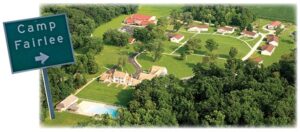
Photo courtesy of The Women's Journal.
Appreciating the respite provided by the camp, Ed and Susan Gootzait love being able to leave Amy in a supportive environment where she can exercise her independence and flourish. Her parents can see for themselves that Amy can manage without them nearby. Susan believes this camp experience has built Amy’s sense of independence and adventure, and both Susan and Ed feel that their daughter gains valuable preparation for the time when they may no longer be able to provide full-time care.
Applications for this summer are now being accepted. To learn more, click here.
Create a summer experience to support a transition-aged teen or young adult
by Jen Nardo
Whether your autistic teen or young adult is looking to gain work experience, build a summer routine, or enjoy new activities with others, Delaware offers a range of supportive and inclusive options. With a mix of community programs, employment or volunteer opportunities, and recreational activities, summer can be a fun time as well as an opportunity to connect and grow.
If your loved one is in high school or the 18–22 program, he or she may already have access to a vocational specialist who coordinates volunteer opportunities that can provide work experience, skill building—and maybe an offer for a summer program. For more information about this option, reach out to your teen or young adult’s vocational specialist or work site.
- For opportunities to socialize over the summer, the Brandywine Social Club at the Brandywine YMCA and The ARC of Delaware provide relaxed settings to enjoy dances, picnics, and movie nights.
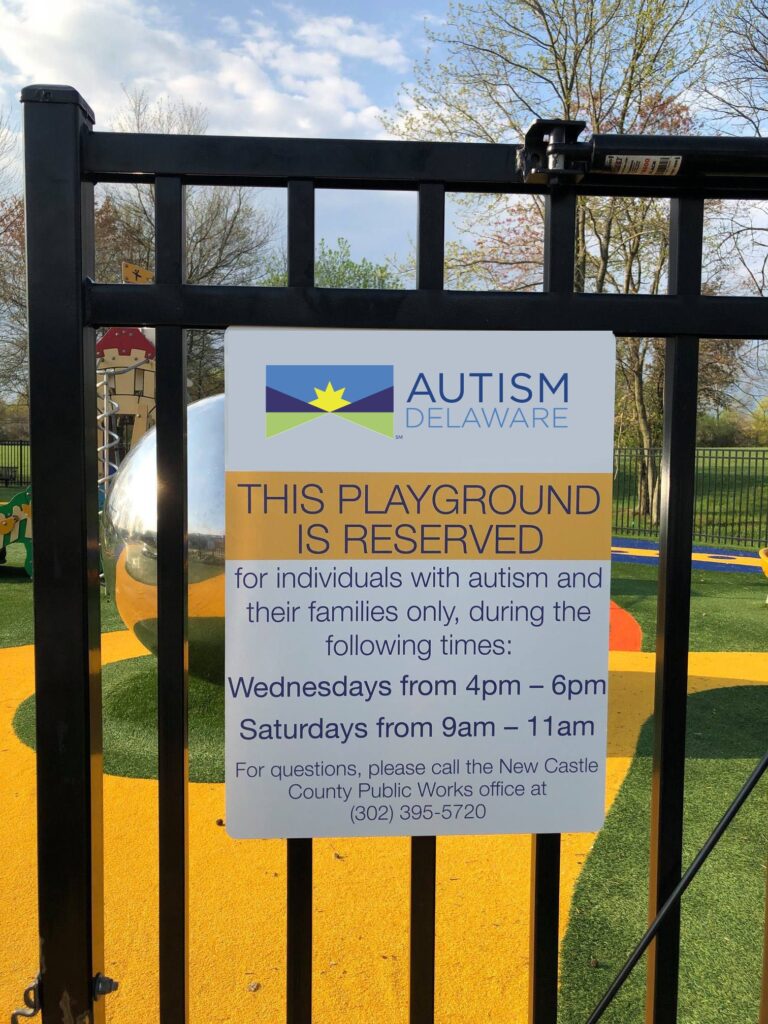
- For outdoor activities, Delaware State Parks provide accessible options:
- Can-Do Playground at Alapocas Run State Park
- High Five Playground—fenced for an eloper’s safety—at Glasgow Park
NOTE: Glasgow Park’s playground is under construction and scheduled to reopen in late spring. - Brandywine Zoo in Wilmington—small, easy to navigate for a calm daytime outing
For more ideas that may better meet your loved one’s needs, do an online search for “special needs camps in Delaware.”
- To reap the benefits of good health over the summer, a variety of programs provide exercise and nutrition guidance for teens and young adults on the spectrum. Consider if one of these options is right for your loved one:
- A membership at the YMCA
- Hockessin Athletic Club
- Hard Bat Athletics specifically for the I/DD community
|
Some summer camps are able to make financial assistance available. For example, Easterseals Camp Fairlee has scholarships to defray the cost of camp and respite sessions, and Delaware Technical Community College offers financial assistance on a first-come, first-served basis—another reason to start planning for summer now! For more information, visit the website for the camp of your choice. |
If your loved one has graduated from high school (age 23 or older), these organizations can help your adult child find work as well as provide training, coaching, and more:
-
- Division of Vocational Rehabilitation (DVR)
- Pathways to Employment
- Autism Delaware’s community-based adult vocational services.
For more information, contact your loved one’s community navigator.
- Another post-graduation possibility is a day program. My advice: Be sure that it provides the opportunity for social interaction:
My son attends a day program twice a week. In this program, he enjoys a balanced combination of work and socialization. In addition to delivering meals for Meals on Wheels, my son goes to the library, the mall, farmers markets, parks, bowling, movies, and restaurants. And my son attends a yoga class once a week.
Since beginning his day program, Jake has shown increasing confidence and independence. As a parent, I can’t ask for more.
For more information about day programs, talk to your adult child’s community navigator.
About the authors
Virginia Sticinski, PhD, MS, MEd, is a social sciences instructor at Delaware Technical Community College, Stanton; an adjunct instructor at the University of Delaware; and the head coach of the DelTech women’s cross-country team. A valued member of Autism Delaware’s newsletter committee since 2018, Virginia is the parent of four sons, two of whom are on the spectrum.
Another valued member of Autism Delaware’s newsletter committee, Jen Nardo not only developed ideas and wrote articles for The Sun for the past 20 years but also volunteered for Autism Delaware fundraising events. The parent of two adult sons, one neurotypical and one on the spectrum, Jen also joined the board of The A-Team Delaware.